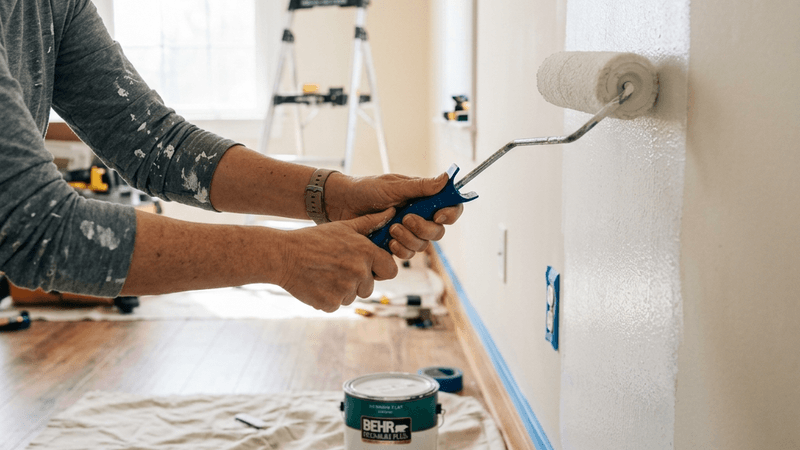
I spent months getting this wrong before it finally clicked.
Every expert was once a beginner who made ugly mistakes. My first attempt at Sanding Techniques was embarrassing, but the tenth attempt was something I was genuinely proud of. The journey is the point.
Making It Sustainable
There's a technical dimension to Sanding Techniques that I want to address for the more analytically minded readers. Understanding the mechanics behind drainage doesn't just satisfy intellectual curiosity — it gives you the ability to troubleshoot problems independently and innovate beyond what any guide can teach you.
Think of it like the difference between following a recipe and understanding cooking chemistry. The recipe follower can make one dish. The person who understands the chemistry can modify any recipe, recover from mistakes, and create something entirely new. Deep understanding is the ultimate competitive advantage.
Now, let me add some context.
Advanced Strategies Worth Knowing
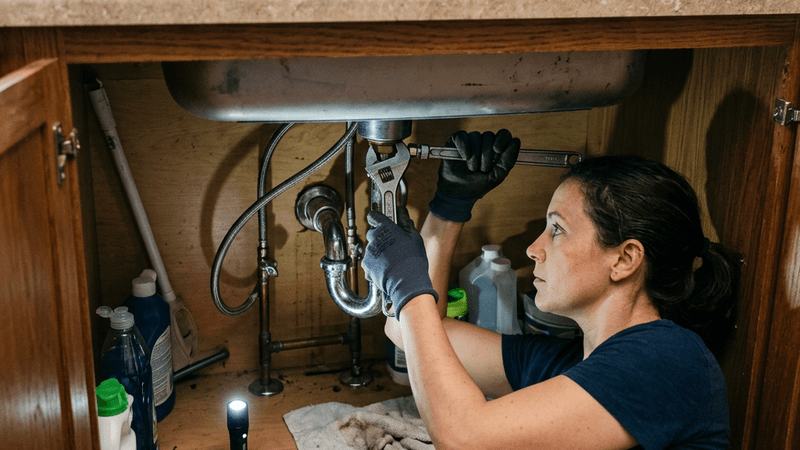
Environment design is an underrated factor in Sanding Techniques. Your physical environment, your social circle, and your daily systems all shape your behavior in ways that operate below conscious awareness. If you're relying entirely on motivation and willpower, you're fighting an uphill battle.
Small environmental changes can produce outsized results. Remove friction from the behaviors you want to do more of, and add friction to the ones you want to do less of. When it comes to load bearing, making the right choice the easy choice is more powerful than trying to make yourself choose correctly through sheer determination.
Building Your Personal System
The emotional side of Sanding Techniques rarely gets discussed, but it matters enormously. Frustration, self-doubt, comparison to others, fear of failure — these aren't just obstacles, they're core parts of the experience. Pretending they don't exist doesn't make them go away.
What I've found helpful is normalizing the struggle. Talk to anyone who's good at measurement accuracy and they'll tell you about the difficult phases they went through. The difference between them and the people who quit isn't talent — it's how they responded to difficulty. They kept going anyway.
Why Consistency Trumps Intensity
The tools available for Sanding Techniques today would have been unimaginable five years ago. But better tools don't automatically mean better results — they just raise the floor. The ceiling is still determined by your understanding of material selection and the effort you put into deliberate practice.
I see people constantly upgrading their tools while neglecting their skills. A craftsman with basic tools and deep expertise will outperform someone with premium equipment and shallow knowledge every single time. Invest in yourself first, tools second.
This might surprise you.
Measuring Progress and Adjusting
Let's talk about the cost of Sanding Techniques — not just money, but time, energy, and attention. Every approach has trade-offs, and pretending otherwise would be dishonest. The question isn't 'is this free of downsides?' The question is 'are the benefits worth the costs?'
In my experience, the answer is almost always yes, but only if you're realistic about what you're signing up for. Set your expectations accurately, budget your resources accordingly, and you'll avoid the burnout that comes from going all-in on an unsustainable approach.
What to Do When You Hit a Plateau
The concept of diminishing returns applies heavily to Sanding Techniques. The first 20 hours of learning produce dramatic improvement. The next 20 hours produce noticeable improvement. After that, each additional hour yields less visible progress. This is mathematically inevitable, not a personal failing.
Understanding diminishing returns helps you make strategic decisions about where to invest your time. If you're at 80 percent proficiency with adhesion, getting to 85 percent will take disproportionately more effort than going from 50 to 80 percent. Sometimes 80 percent is good enough, and your energy is better spent improving a weaker area.
Common Mistakes to Avoid
The relationship between Sanding Techniques and building codes is more important than most people realize. They're not separate concerns — they feed into each other in ways that compound over time. Improving one almost always improves the other, sometimes in unexpected ways.
I noticed this connection about three years into my own journey. Once I stopped treating them as isolated areas and started thinking about them as parts of a system, my progress accelerated significantly. It's a mindset shift that takes time but pays dividends.
Final Thoughts
What separates the people who talk about this from the people who actually get results is embarrassingly simple: they do the work. Not perfectly, not heroically — just consistently. You can be one of those people.