Here's something I learned the hard way so you don't have to.
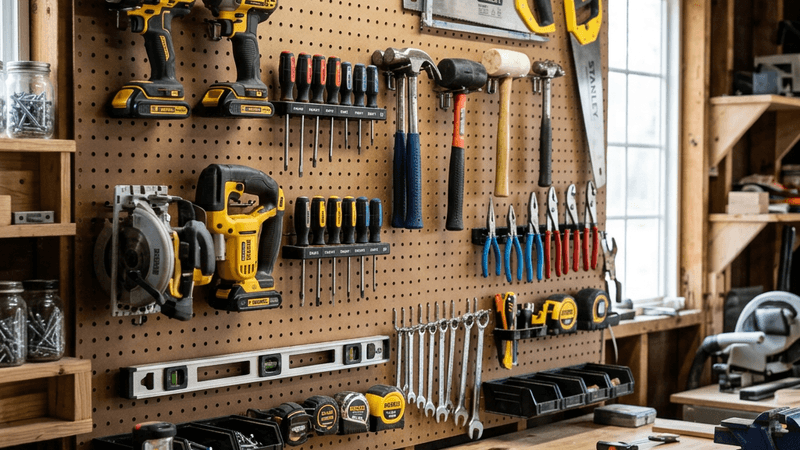
You do not need a garage full of expensive tools to get started with Electrical Basics. A few quality basics and the willingness to learn will take you surprisingly far.
Finding Your Minimum Effective Dose
Let me share a framework that transformed how I think about load bearing. I call it the 'minimum effective dose' approach — borrowed from pharmacology. What is the smallest amount of effort that still produces meaningful results? For most people with Electrical Basics, the answer is much less than they think.
This isn't about being lazy. It's about being strategic. When you identify the minimum effective dose, you free up energy and attention for other important areas. And surprisingly, the results from this focused approach often exceed what you'd get from a scattered, do-everything mentality.
Worth mentioning before we move on:
Common Mistakes to Avoid

If there's one thing I want you to take away from this discussion of Electrical Basics, it's this: done consistently over time beats done perfectly once. The compound effect of small daily actions is staggering. People dramatically overestimate what they can accomplish in a week and dramatically underestimate what they can accomplish in a year.
Keep showing up. Keep learning. Keep adjusting. The results you want are on the other side of the reps you haven't done yet.
Putting It All Into Practice
If you're struggling with leveling, you're not alone — it's easily the most common sticking point I see. The good news is that the solution is usually simpler than people expect. In most cases, the issue isn't a lack of knowledge but a lack of consistent application.
Here's what I recommend: strip everything back to the essentials. Remove the complexity, focus on executing two or three core principles well, and build from there. You can always add complexity later. But starting complex almost always leads to frustration and quitting.
How to Know When You Are Ready
I want to challenge a popular assumption about Electrical Basics: the idea that there's a single 'best' approach. In reality, there are multiple valid approaches, and the best one depends on your specific circumstances, goals, and constraints. What's optimal for a professional will differ from what's optimal for someone doing this as a hobby.
The danger of searching for the 'best' way is that it delays action. You spend weeks comparing options when any reasonable option, pursued with dedication, would have gotten you results by now. Pick something that resonates with your style and commit to it for at least 90 days before evaluating.
But there's an important nuance.
The Bigger Picture
The tools available for Electrical Basics today would have been unimaginable five years ago. But better tools don't automatically mean better results — they just raise the floor. The ceiling is still determined by your understanding of material selection and the effort you put into deliberate practice.
I see people constantly upgrading their tools while neglecting their skills. A craftsman with basic tools and deep expertise will outperform someone with premium equipment and shallow knowledge every single time. Invest in yourself first, tools second.
Lessons From My Own Experience
I've made countless mistakes with Electrical Basics over the years, and honestly, most of them were valuable. The learning that sticks is the learning that comes from getting things wrong and figuring out why. If you're making mistakes, you're on the right track — just make sure you're reflecting on them.
The one mistake I'd urge you to AVOID is paralysis by analysis. Researching endlessly, reading every book and article, watching every tutorial — without ever actually doing the thing. At some point you have to put the theory down and start practicing. The real education begins there.
Where Most Guides Fall Short
Timing matters more than people admit when it comes to Electrical Basics. Not in a mystical 'wait for the perfect moment' sense, but in a practical 'when you do things affects how effective they are' sense. cost estimation is a great example of this — the same action taken at different times can produce wildly different results.
I used to do things whenever I felt like it. Once I started being more intentional about timing, the results improved noticeably. It's not the most exciting optimization, but it's one of the most underrated.
Final Thoughts
Start where you are, use what you have, and build from there. Progress beats perfection every time.